Family Biking 101: How to Transport Kids’ Bikes Without Chaos

Family biking is easier when bikes, gear, and riders all have a simple system before the car leaves the driveway. This blog explains how families can transport kids’ bikes with less stress by planning around bike count, rack style, loading order, bike fit, and trailhead unloading.
- A family bike rack should match your current bike count and leave room as kids grow into larger bikes.
- Vertical hitch racks are often a strong fit for biking with kids when families need to carry three or more bikes.
- Families should test kids’ bike fit, tire placement, and rack security before the first longer trip.
- Biking with family runs smoother when kids have simple roles during loading and unloading.
Family biking is a lot more fun and a lot less stressful when every bike has a clear place to go before anyone opens the car door. The best way to transport kids’ bikes without chaos is to plan around bike count, load order, vehicle access, tire size, and trailhead unloading. A good setup makes it simple to load the whole crew easily and efficiently.
After all, biking with kids rarely means one bike. It means small frames, full-size bikes, helmets, pads, snacks, water bottles, and at least one person asking if you packed their gloves. A little structure keeps the ride from feeling like a full driveway production. Let’s dive in.
Why family bike transport gets messy so fast
Most families start out improvising. One kids’ bike goes in the trunk, while another slides into the back seat. A front wheel comes off, or a pedal catches on a helmet strap. Someone’s handlebar rubs against someone else’s frame before the ride even starts.
That may work for a quick neighborhood loop, but it falls apart for family biking trips. Once you are driving to a trail, park, pump track, campground, race, or weekend meetup, the system has to handle more than the bikes themselves. It has to protect the bikes while leaving space for people. Ideally, it should also keep the back of the vehicle available for the gear you need once you arrive.
Aim to build a routine that even the youngest bikers understand. When kids know where their bike goes, and what their job is during the journey, the whole trip gets easier.
Start with the number of bikes, not the destination
Before choosing a transport setup, count the bikes you are hauling now and the bikes you may haul soon. Families outgrow bike-carrying systems quickly. A child moves from a balance bike to a 16-inch bike, then to a 20-inch bike, then a full mountain bike faster than most parents expect.
Use this quick planning list before you buy or load anything:
- How many bikes are going on most rides?
- Will friends, cousins, or teammates join family biking trips?
- Are you carrying a mix of kids’ bikes, mountain bikes, road bikes, or e-bikes?
- Does your vehicle need rear hatch or tailgate access during the trip?
- Do you have room to store the rack when it is not on the vehicle?
A two-bike setup may feel fine today. If biking with family is becoming a regular weekend habit, leave room for growth.
Choose a family bike rack that matches real family use
A family bike rack should solve the problems that show up when you bring several bikes, not just one or two. Capacity matters, but ease of loading matters just as much. If a setup technically holds the bikes but takes 30 minutes to load, nobody will want to use it.
Here is how the main rack styles usually compare for family use:
|
Rack Type |
Best Fit |
Family Consideration |
|
Trunk rack |
Occasional short trips with lighter bikes |
Can limit rear access and may create bike-to-bike contact |
|
Roof rack |
One or two bikes when vehicle height is manageable |
Lifting kids’ bikes overhead gets old fast |
|
Platform hitch rack |
One to four bikes, depending on model |
Easy to understand, but capacity can run out quickly |
|
Vertical hitch rack |
Three or more bikes |
Strong option for families hauling many bikes in one compact setup |
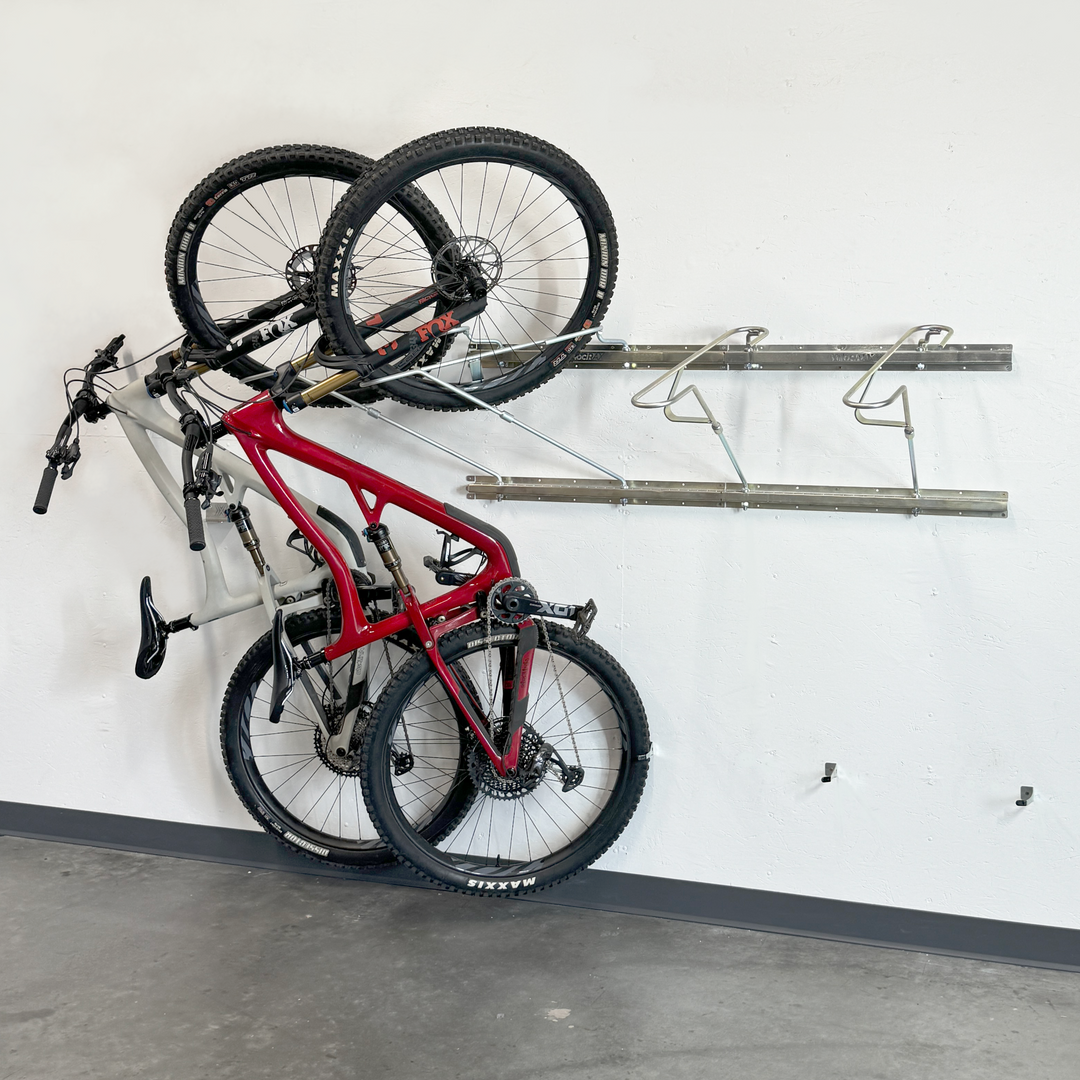
For biking with kids, a vertical hitch rack is often the cleanest long-term answer once your family is hauling three or more bikes. It keeps bikes organized behind the vehicle while reducing the amount of lifting involved when loading and unloading.
Build a simple driveway loading routine
A repeatable loading order turns a noisy driveway into a process, helping kids take part without standing too close to moving bikes (or asking what to do every five seconds).
1. Stage bikes by size
Line the bikes up before loading. Put the largest bikes first, then work toward the smaller bikes. This makes it easier to see handlebar clearance and pedal spacing.
Mixed bike geometry can create surprises. Two bikes of the same wheel size may still sit differently because of frame shape, bar width, or fork height. Leave yourself a few extra minutes the first time you test a new setup.
2. Keep helmets and soft gear out of the bike pile
Helmets, gloves, pads, and hydration packs should not be wedged between bikes. Put them in a dedicated cargo area. This keeps gear easy to find and prevents both the accessories and bikes from getting damaged.
Give kids one job they can do every time. For example, a younger rider can carry their helmet to a dedicated gear bin that gets loaded into the trunk, or check that water bottles are filled. Small jobs make biking for kids easier and more fun for everyone involved.
3. Check tire fit before trip day
Kids’ bikes come in a wide range of wheel sizes and wheelbases, so smaller bikes may need a slightly different rack setup than an adult bike. Test each child’s bike at home before your first family biking trip rather than discovering a fit issue when everyone is ready to leave.
For smaller wheels, VelociRAX Small Tire Baskets are designed to create a better fit for bikes with 18- to 20-inch tires. They can be especially useful for younger riders whose tires do not sit as securely in a standard-size basket.
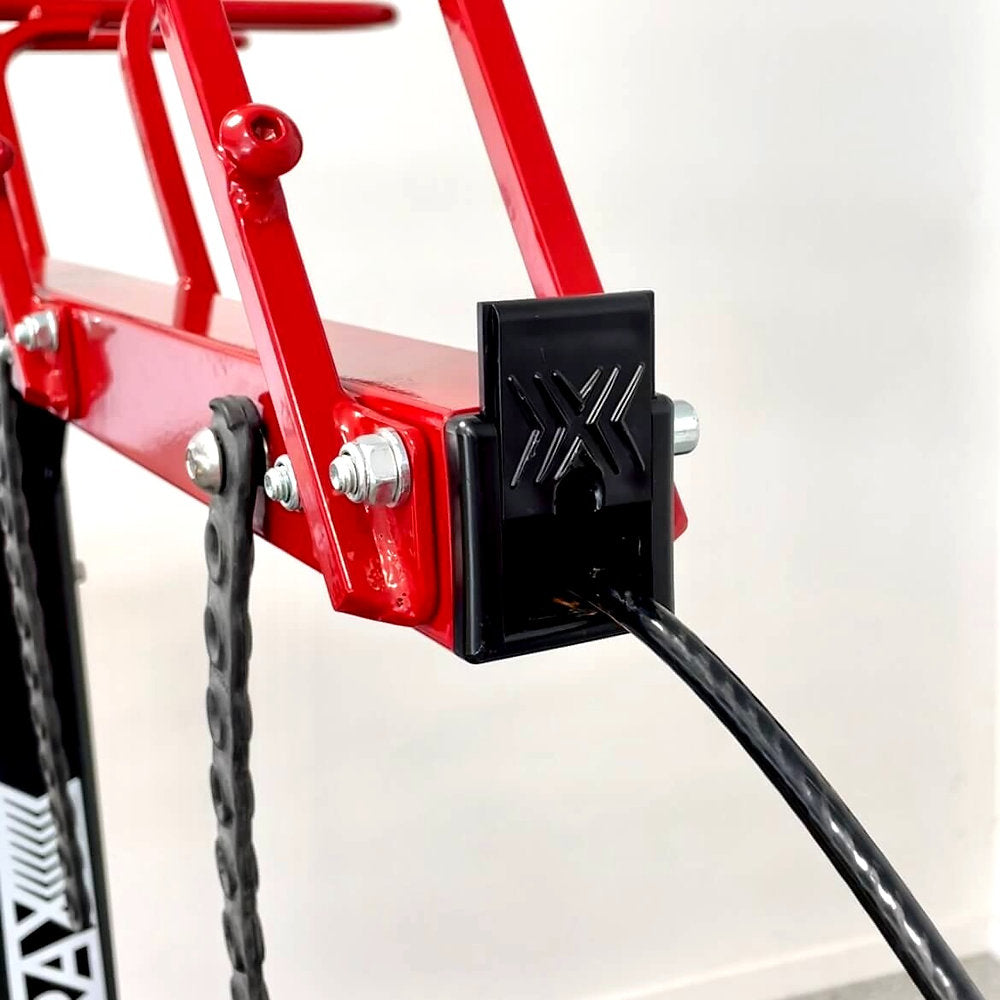
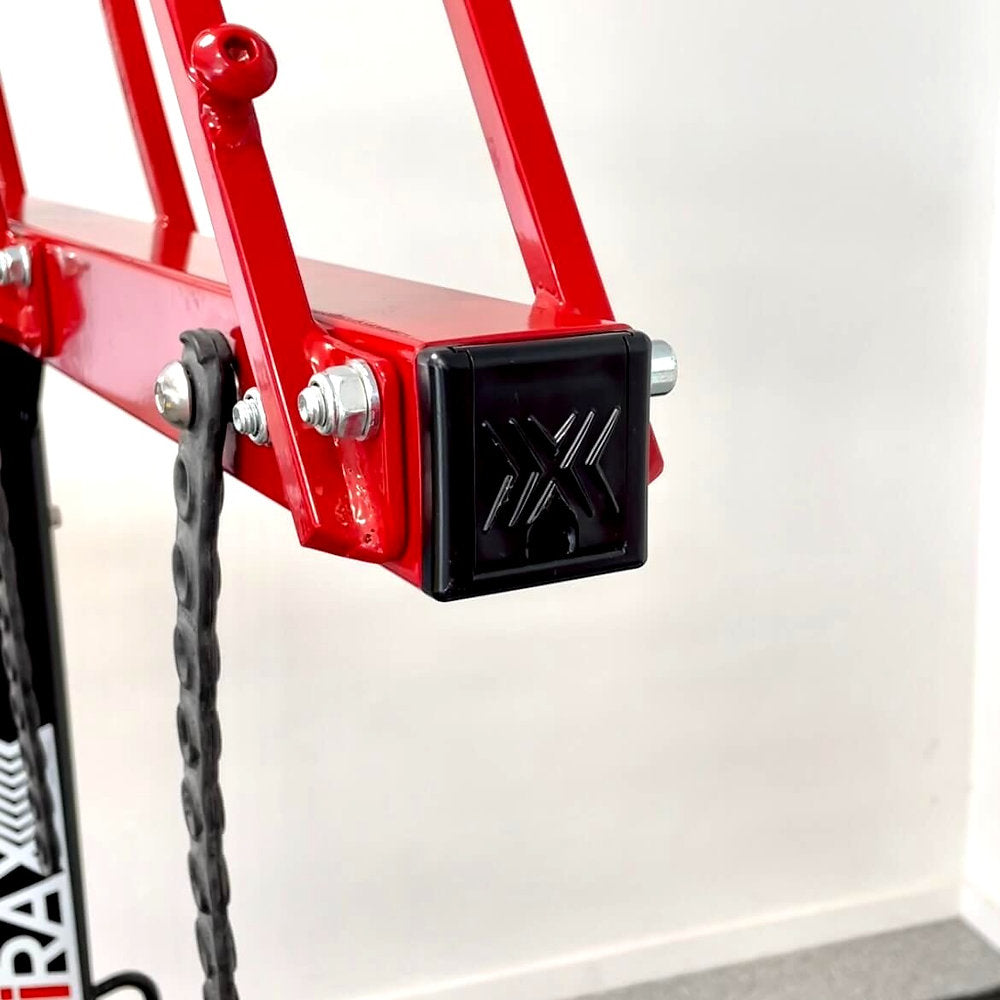
Also, some kids’ bikes are short enough that the rear tire does not reach the rack’s lower crossbar. The VelociRAX Wheelbase Adaptor adds a secure strap point for shorter bikes and works with kids’ bikes with 16- to 20-inch tires.
Checking these details ahead of time means biking with kids can start with loading the bikes instead of troubleshooting them in the driveway.
4. Do one shake check
Once all bikes are loaded and secured, give each one a gentle movement check. Look for loose straps, spinning pedals, shifting handlebars, or tire contact that seems too close. Then do one slow visual walkaround.
Kids can help from a safe spot by calling out their bike color or number in the load order. It keeps them involved without crowding the rack.
Biking with kids: what to check before you roll out
Transport is only one part of biking with kids. A smooth ride starts with a few safety and comfort checks before the vehicle leaves the driveway.
Make sure every rider has a properly fitted helmet. Check tire pressure, brakes, and seat height. Confirm that each child can comfortably start, stop, and steer the bike they are using that day.
A child who has outgrown a bike, or who is riding a bike that is still too tall, will usually struggle more once the group reaches an unfamiliar path.
For younger riders, keep the first trip simple. Pick a route with wide paths and low traffic. Family biking works best when kids finish the ride wanting another one.
Plan family biking trips around unloading, not just riding

The destination matters, but the unload zone often decides how the trip starts. A crowded trailhead with limited space can turn a good plan into a slow shuffle.
Before you head out, think through the arrival:
- Where can you park with room behind the vehicle?
- Can kids stand away from traffic during unloading?
- Which bike needs to come off first?
- Where will helmets and snacks be while bikes come down?
- Is there a safe spot for a quick pre-ride check?
For family biking trips, the best parking spot is a space with a little more room behind the vehicle, which may save time and reduce stress.
Make biking with family easier by assigning roles
Biking with family gets smoother when every rider has a small role, including the kids.
Younger kids can carry helmets, put gloves in a bin, or stand in the “ready spot” while bikes are unloaded. Older kids can help roll bikes into position, check water bottles, or confirm that everyone has pads and snacks. Teen riders can help load their own bikes once they know the system.
The key is consistency: use the same routine at home and at the trailhead. Load in a similar order. Keep gear in the same place. Say the same quick reminders.
Kids learn the rhythm, and the ride starts faster.
Common family biking transport mistakes to avoid
A chaotic bike trip usually comes from one of a few predictable mistakes.
Buying for today’s bike count only
Families grow into riding. A rack that barely fits your current bikes may feel limiting within a season. If friends or teammates often join, plan for that too.
Letting bikes touch during transport
A little contact in the driveway can become more noticeable on the road. Check handlebars, pedals, forks, and frames before leaving. If something rubs, adjust the loading order.
Assuming all kids’ bikes fit the same way
Wheel size and frame shape can change how a bike sits on a rack. Test each child’s bike at home before the first longer trip.
Skipping the post-load check
A quick walkaround catches loose straps, gear left on the ground, and doors that may not open with the rack in place.
The easiest setup is the one your family will actually use
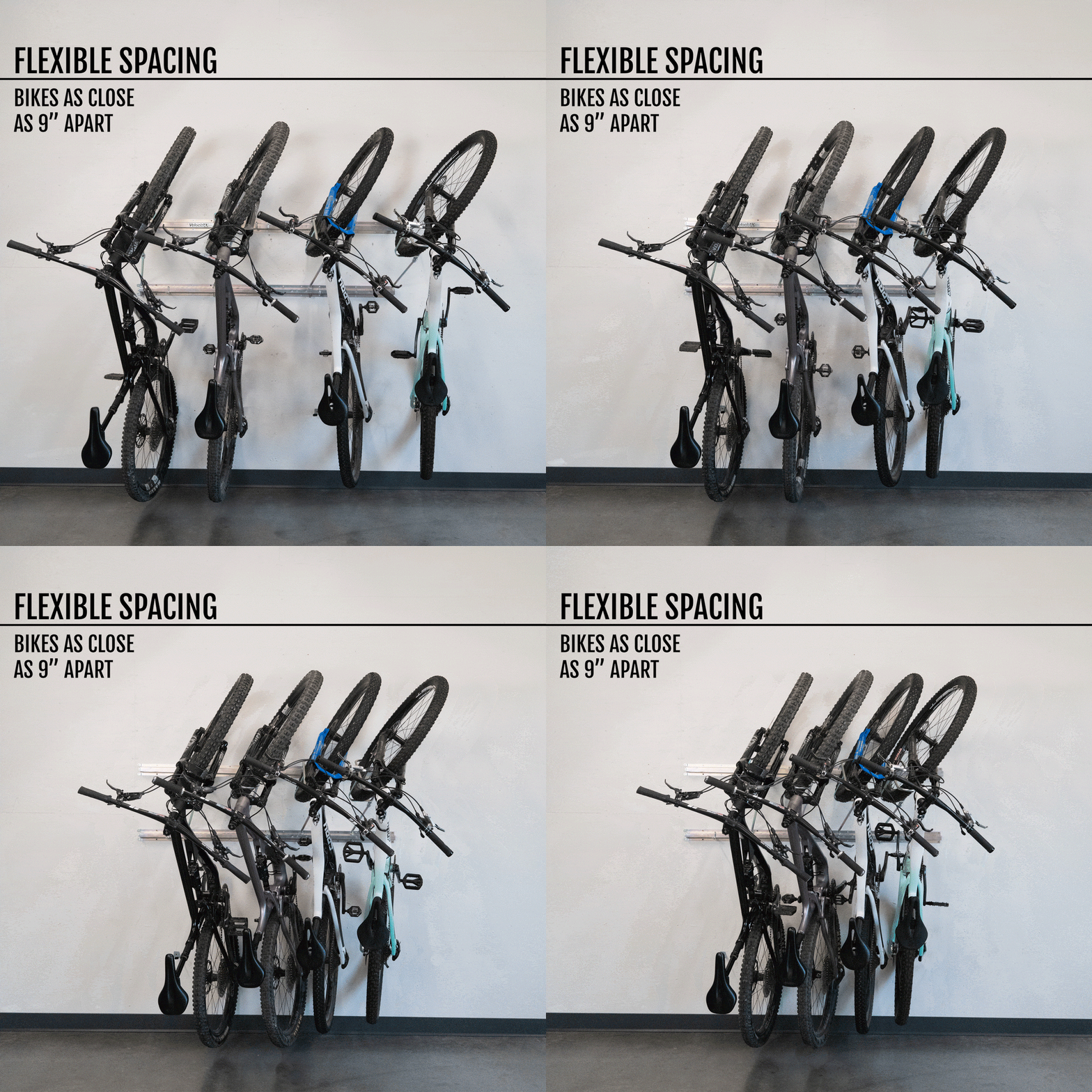
If family biking means loading four, five, six, or seven bikes, a high-capacity vertical rack can make a major difference. It keeps the vehicle interior open and helps organize mixed bike sizes. That makes it easier to say yes to the ride after school or the Saturday trail day, meaning your family will stay active and make more memories with a lot less stress and bickering.
Bring every bike, skip the shuffle
Family rides shouldn’t always begin with a frustrating puzzle in the driveway. With a smart loading plan and a rack built for the whole crew, biking with kids becomes easier from the start.
Explore VelociRAX multi-bike racks and accessories for kids’ bikes so every rider can bring their own wheels and get rolling with less chaos.