Common Hitch Bike Rack Mistakes

TL;DR: A hitch bike rack is only as safe as the way it's installed, loaded, and maintained. Small mistakes with sizing, straps, or overloading are what actually damage bikes and vehicles, not the racks themselves.
- Match your rack to the correct hitch receiver size and tongue weight rating before buying.
- Tighten anti-rattle systems and locking hitch pins before every drive to prevent hitch slop.
- Take care during loading and unloading: secure every strap fully.
- Avoid trunk racks for heavy or frequent hauling; a proper hitch mount setup is more stable for mountain bikes and eBikes.
- Inspect straps, hardware, and hydraulic components regularly to keep your rack system in top shape for years.
A hitch bike rack should make getting to the trailhead easier, not give you something new to stress about. But even experienced riders make mistakes that lead to scratched paint, bent derailleurs, or worse, a bike that comes loose on the highway. Whether you're running a brand-new trailer hitch bike rack or you've been hauling gear for years, a few small habits can mean the difference between a smooth trip and a costly repair.
Here's a rundown of the most common hitch mount bike rack mistakes riders make, and how a better rack design helps you avoid them altogether.
Mistake #1: Choosing the Wrong Size Hitch Receiver
Not all hitch receivers are created equal, and mismatching your rack to your receiver is one of the fastest ways to end up with a wobbly, unsafe setup. Most quality bike hitch racks are built for a 2" Class III receiver, which offers the tongue weight capacity needed to safely haul multiple bikes, especially heavier mountain bikes or eBikes. Using an adapter that isn't rated for the load) puts unnecessary stress on the hitch and the rack itself. Before you buy any tow hitch bike rack, check your vehicle's hitch class and tongue weight rating so the rack you choose is actually capable of carrying the bikes and cargo you plan to load.
Mistake #2: Skipping the Anti-Rattle Step
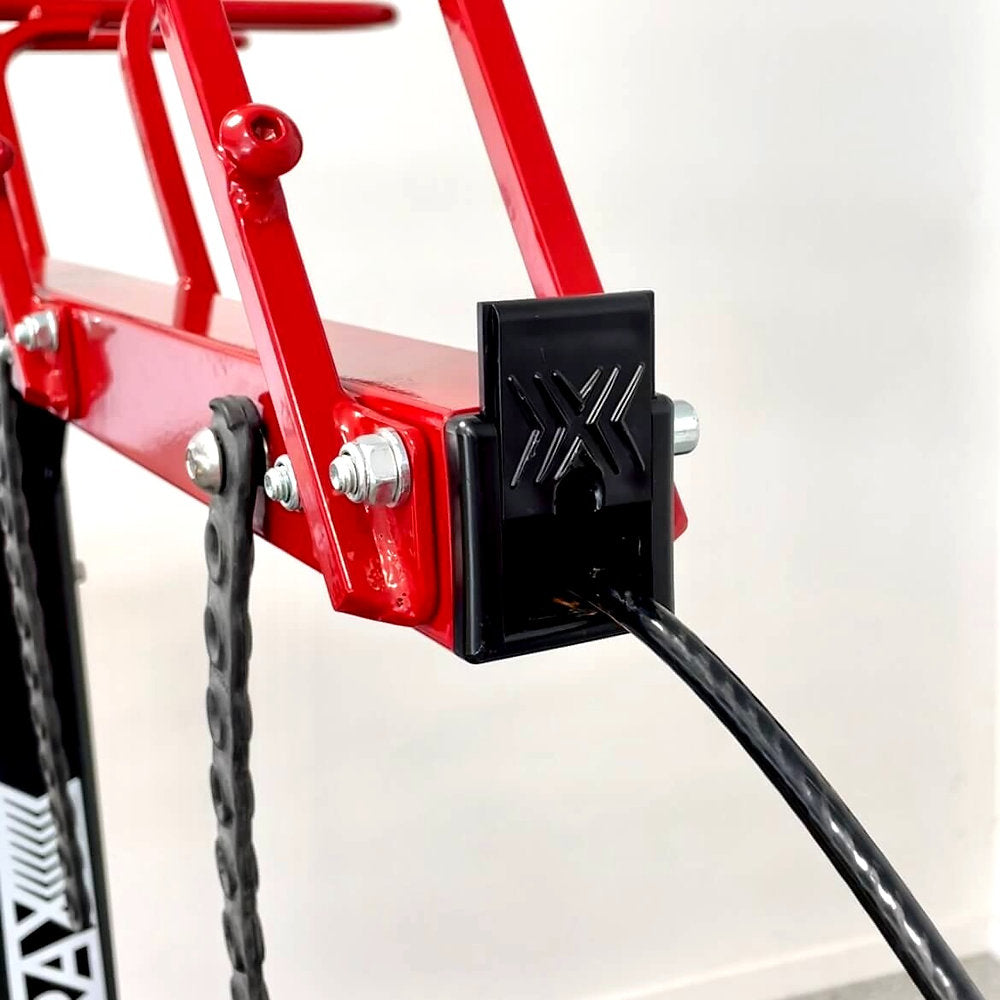
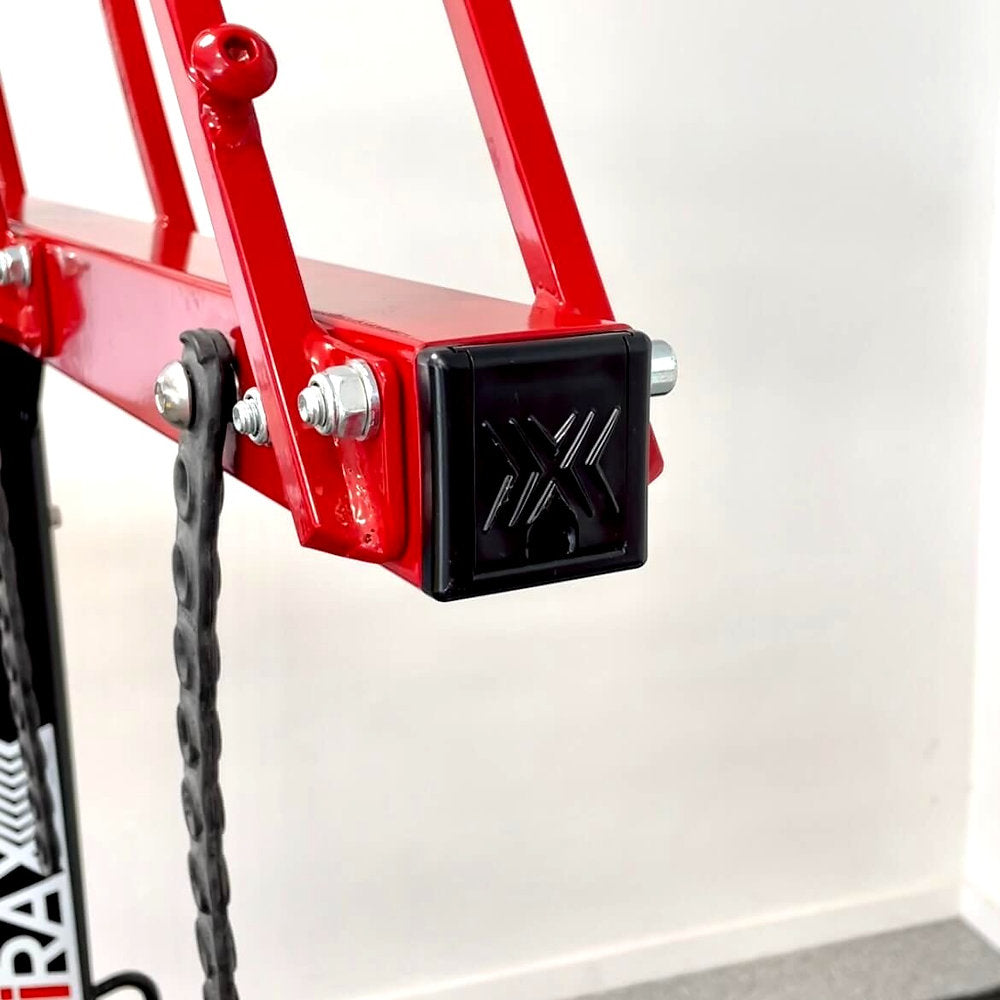
Hitch slop, that annoying wobble where the rack shifts side to side in the receiver, is more than an annoyance. Over thousands of miles, that constant movement can loosen hardware, wear down your hitch pin, and transfer vibration straight to your bikes. A well-engineered rack system should include a built-in anti-rattle mechanism, but it only works if it's properly tightened before every drive. Give your setup a firm shake before you pull out of the driveway. If there's noticeable movement, snug it down.
Mistake #3: Improper Loading and Unloading
This is where most bike damage actually happens. Rushing through loading and unloading, especially in a parking lot or trailhead lot, leads to frames banging against each other, derailleurs getting bent against other bikes, or straps left loose enough for a bike to shift mid-drive. A few habits go a long way:
- Load heavier bikes closer to the vehicle when using a platform-style rack.
- Always double-check that every strap is fully secured.
- Remove accessories (bike computers, lights, water bottles) that can rattle loose.
Racks designed around roll-in, roll-out loading, rather than lifting a bike overhead onto hanging arms, dramatically cut down on the fumbling that causes frame-to-frame contact in the first place.
Mistake #4: Using a Trunk Rack for the Wrong Job
A trunk rack has its place for occasional, light-duty use, but straps that cinch directly against paint and frame contact points make it a poor long-term choice for regular riders or heavier bikes. Trunk racks also tend to sway more at highway speeds, increasing the risk of bikes contacting each other or the vehicle. If you're hauling mountain bikes, multiple riders' bikes, or making frequent trips, a proper hitch mount bike rack offers far more stability and keeps contact points away from your bike's frame and finish.

Mistake #5: Ignoring Weight Limits
Every rack has a maximum weight capacity per bike and a combined capacity for the whole system. Overloading a rack, especially with eBikes, which often weigh 50 lbs or more, puts strain on the hitch, the rack, and your vehicle's rear suspension. Before loading up, check both your rack's per-bike rating and your hitch's total tongue weight capacity (the NHTSA's towing safety guidelines are a solid reference for understanding these ratings). If you regularly haul heavier bikes, look for bike racks for tow hitch setups specifically rated for higher capacities rather than assuming a standard rack will handle the extra load.
Mistake #6: Forgetting to Lock It Down
Theft isn't the only risk posed by an unsecured rack. Rough roads can also shake your setup loose. A locking hitch pin anchors the rack to your vehicle so it can't rattle free or be stolen, while integrated bike locks keep the bikes themselves from shifting in transit or disappearing in a parking lot.
Mistake #7: Neglecting Regular Maintenance
Salt, road grime, and UV exposure take a toll on straps, hydraulic dampers, and hardware over time. Inspect your straps for cracking, check that hydraulic components are still lowering smoothly, and touch up any exposed metal to prevent rust. A rack that's properly maintained holds up to the same rugged use for years longer than one that's ignored until something breaks. For broader bike care and safety tips, the League of American Bicyclists is a great resource.
FAQ: Hitch Bike Rack Mistakes and Maintenance
Do hitch bike racks damage your car?
When properly installed and matched to your vehicle's hitch receiver, hitch bike racks don't damage your car. Most damage reports trace back to improper installation, overloading, or hitch slop from a poorly fitted rack, not the rack itself.
What size hitch do I need for a bike rack?
Most multi-bike hitch racks require a 2" (50mm) Class III hitch receiver. Smaller 1.25" receivers are generally limited to lighter-duty racks carrying one or two bikes. Always check both the receiver size and tongue weight capacity before buying.
How many bikes can a hitch bike rack hold?
It depends on the model. Hanging and platform racks typically carry 2-4 bikes, while some vertical rack systems can hold up to 7, depending on the design and your hitch's weight rating.
Are hitch bike racks safe for long-distance driving?
Yes, as long as the rack is properly rated for your hitch, loaded within weight limits, and secured with straps and a locking hitch pin. Check strap tension and rack stability at rest stops on longer drives.
What's the difference between a platform and hanging hitch bike rack?
A platform rack supports bikes by their wheels, keeping the frame free of contact points, while a hanging rack suspends bikes by the top tube, which can cause frame-to-frame contact and isn't ideal for full-suspension mountain bikes. Vertical racks take a different approach entirely, holding bikes upright by the front wheel for even less contact and easier loading.
The Right Rack Design Prevents Most of These Mistakes
A lot of these issues come down to one thing: rack design. A rack system built with roll-in/roll-out loading, integrated anti-rattle technology, and a locking hitch pin removes much of the guesswork, and the room for error, that leads to bike damage in the first place. That's the thinking behind every VelociRAX vertical bike rack: simplify the process so there's less chance to make a mistake in the first place, whether you're loading one commuter bike or a full group's worth of mountain bikes. Shop all products today and find something perfect for your next adventure!